
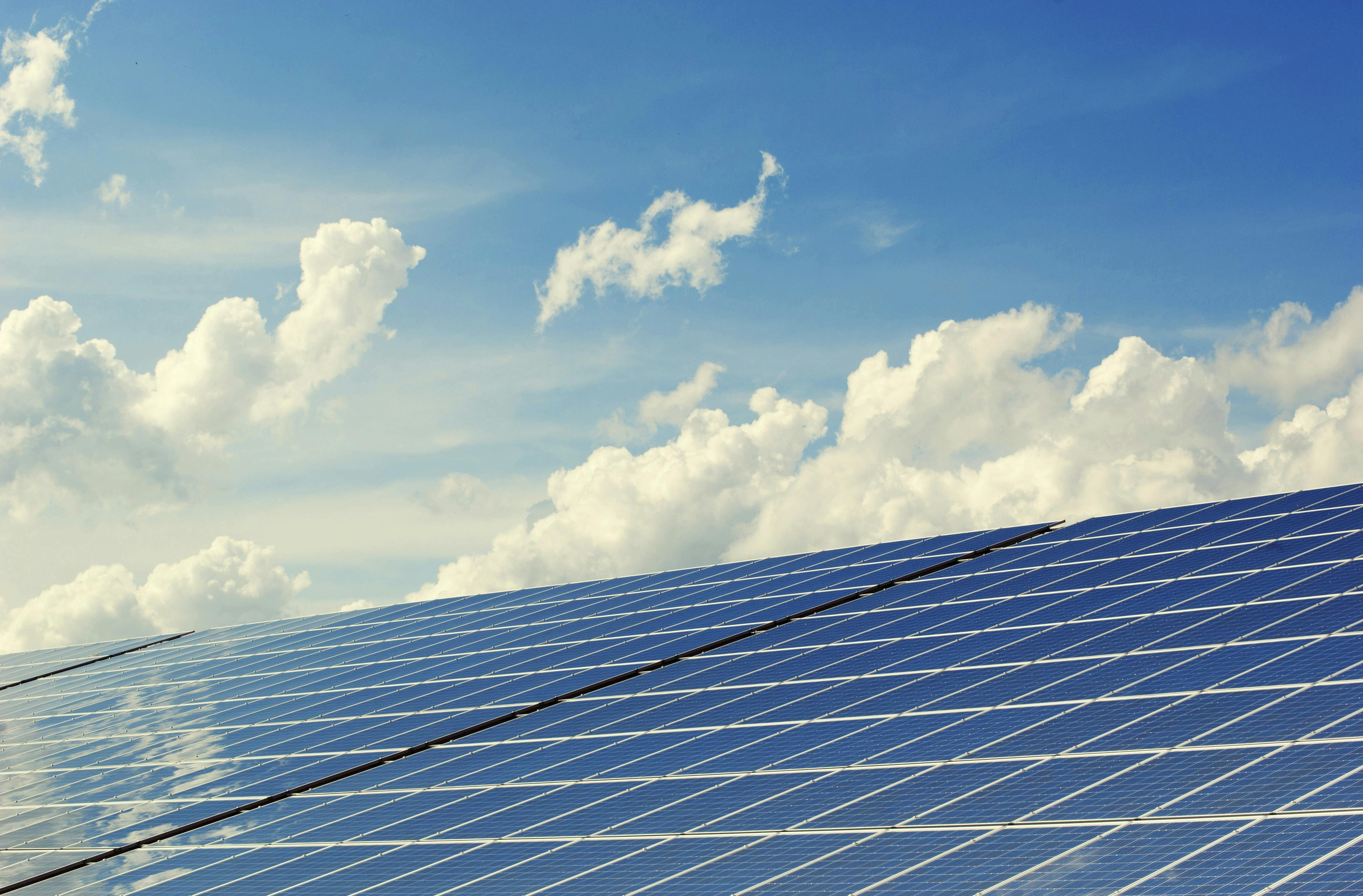
Investing in solar panels is a strategic business and household decision aimed at long-term energy savings, sustainability, and operational stability. However, achieving maximum return on investment depends heavily on proper solar panels maintenance. Without a structured maintenance approach, even the highest-quality systems can suffer from efficiency loss, premature wear, and reduced output. The following guide provides in-depth, practical, and results-driven maintenance strategies designed to preserve performance and extend the lifespan of solar panel systems.
Why Solar Panel Maintenance Is a Business-Critical Priority
Solar panels are engineered for durability, but they operate in demanding outdoor environments year-round. Dust, pollution, bird droppings, weather fluctuations, and system wear all directly affect energy production. Poor maintenance can reduce efficiency by 15–30% annually, translating into measurable financial losses. Regular upkeep protects energy yield, safeguards warranties, and ensures predictable performance for years to come.
Routine Solar Panel Cleaning for Maximum Energy Output
How Dirt and Debris Impact Solar Efficiency
Even a thin layer of dust can block sunlight absorption, significantly lowering power generation. Panels installed near highways, agricultural land, or industrial zones are particularly vulnerable to grime accumulation.
Best Practices for Safe and Effective Cleaning
-
Clean panels early in the morning or late afternoon to avoid thermal shock
-
Use soft brushes, microfiber cloths, and low-pressure water
-
Avoid harsh chemicals that can damage anti-reflective coatings
-
Schedule cleaning every 3–6 months, or more frequently in dusty regions
Consistent cleaning ensures uninterrupted sunlight exposure and stable output levels.
System Inspections That Prevent Long-Term Damage
Visual Inspection of Panels and Mounting Structures
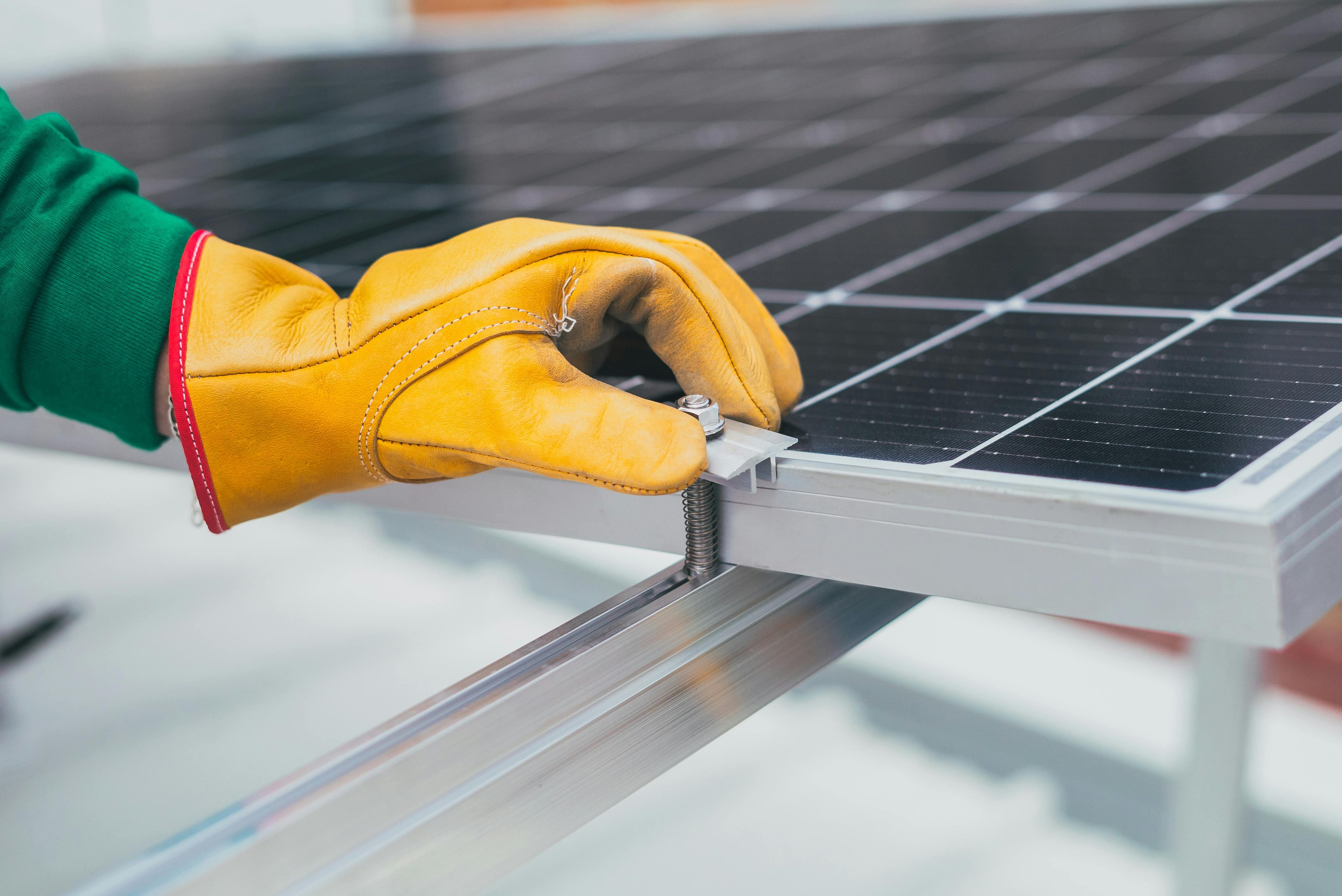
Regular inspections identify cracks, discoloration, corrosion, and loose mounting hardware. Early detection prevents minor issues from escalating into costly structural or electrical failures.
Checking Electrical Connections and Cabling
Loose wires, rodent damage, and connector degradation can lead to power losses or safety risks. Inspect junction boxes, wiring conduits, and grounding systems at least once a year.
Inverter Maintenance: The Heart of Solar Performance
Why Inverter Health Directly Impacts Energy Production
The inverter converts solar energy into usable electricity. Any malfunction immediately affects system output.
Maintenance Actions That Protect Inverter Efficiency
-
Ensure proper ventilation and dust-free surroundings
-
Monitor error codes and warning indicators
-
Verify firmware updates and performance logs
Most inverters have a shorter lifespan than panels, making regular monitoring essential to avoid unexpected downtime.
Monitoring Solar Performance with Data-Driven Precision
Using Monitoring Systems to Detect Efficiency Drops
Modern monitoring platforms provide real-time data on voltage, current, and energy output. Sudden drops often indicate shading issues, inverter faults, or panel damage.
Performance Benchmarking for Long-Term Optimization
Compare monthly and yearly output data against expected performance benchmarks. Consistent underperformance signals the need for professional assessment.
Managing Shading and Environmental Factors
Tree Growth and Structural Obstructions
Trees, nearby buildings, and new installations can introduce shading that was not present during initial system design. Seasonal shading changes should be reviewed annually.
Weather-Related Maintenance Considerations
After storms, hail, or heavy snowfall, inspect panels for microcracks, water ingress, and mounting stress. Weather-related inspections protect both efficiency and system safety.
Professional Maintenance and Scheduled Servicing
When to Hire Certified Solar Technicians
While routine cleaning can be handled in-house, electrical diagnostics and system calibration require certified professionals. Annual professional inspections ensure compliance, safety, and optimal performance.
Protecting Warranties Through Proper Documentation
Many manufacturer warranties require proof of regular maintenance. Maintaining service records safeguards warranty claims and asset value.
Long-Term Strategies to Extend Solar Panel Lifespan
Preventive Maintenance Planning
Establish a documented maintenance schedule covering cleaning, inspections, performance reviews, and professional servicing. Preventive care consistently outperforms reactive repairs in cost and reliability.
Upgrading Components for Sustained Efficiency
Replacing aging inverters, improving monitoring software, and reinforcing mounting systems can significantly extend the productive lifespan of a solar installation
Consistent Maintenance Delivers Measurable Solar Returns
Solar panels are long-term infrastructure assets, not set-and-forget equipment. Strategic maintenance preserves efficiency, protects capital investment, and ensures predictable energy production over decades. Businesses and property owners who prioritize structured solar panel maintenance consistently achieve higher output, reduced operational risk, and superior lifecycle value. Proper care is not an expense—it is a performance multiplier that keeps solar systems operating at peak capacity year after year.

 English
 Arabic
 French
 Spanish
 Portuguese
 Deutsch
 Turkish
 Dutch
Dutch
 Italiano
 Russian
 Portuguese (Brazil)
 Greek
Greek