
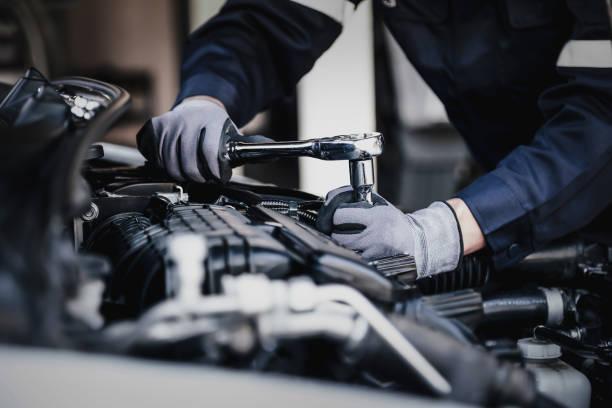
Modern automotive engineering is a constant balancing act between performance, cost, and environmental responsibility. Over the last decade, a quiet revolution has occurred under the hoods of millions of vehicles: the transition from petroleum-based plastic wiring insulation to bio-based alternatives, specifically soy-based materials. While this shift represents a victory for sustainability and reduces the carbon footprint of vehicle manufacturing, it has inadvertently introduced a frustrating and expensive problem for car owners. Rodents, ranging from field mice to squirrels, have found these new wires to be quite delicious. Understanding the mechanics of why this happens and how to prevent it is a vital skill for anyone pursuing a car mechanic career, as wire harness repairs have become one of the most common service center requests in recent years.
The Push for Sustainable Automotive Materials
The automotive industry is under immense pressure to reduce its reliance on fossil fuels and non-biodegradable plastics. In response, many major manufacturers began adopting soy-based wire insulation as a greener alternative to traditional polyvinyl chloride (PVC). Soy-based plastics are derived from renewable resources, are often cheaper to produce at scale, and satisfy the increasingly stringent corporate social responsibility goals of global car brands. Furthermore, these materials are lighter and provide excellent insulation properties, making them a technical success on paper. However, the transition has not been without controversy. As more vehicles hit the road with "edible" engine components, the need for a skilled car mechanic who can diagnose complex electrical shorts and identify pest-focused damage has skyrocketed. This shift highlights the importance of staying updated on material science within the trade.
Why Rodents Find Your Engine So Appealing
The primary issue with soy-based insulation is that it effectively turns a car’s wiring harness into a buffet. Unlike traditional petroleum-based plastics, which have a chemical odor that is generally repulsive to animals, soy-based coatings often emit a faint, sweet smell that rodents find enticing. Mice, rats, and squirrels are naturally inclined to gnaw on things to keep their teeth filed down, and the soft, organic nature of soy-based wires provides the perfect resistance. To a nesting rodent, a warm engine bay is a five-star hotel, and the soy-based wiring is the room service. Identifying the specific bite patterns and nesting habits of these pests is a specialized skill taught in a comprehensive car mechanic course, as it allows technicians to distinguish between a simple component failure and external damage caused by local wildlife.
The Financial Impact of Rodent Damage
Rodent damage is rarely a cheap fix. A single mouse can cause thousands of dollars in damage in a single night by chewing through a primary wiring loom. Because modern vehicles are packed with sensors, infotainment systems, and electronic control units, a severed wire can trigger a "Christmas tree" of warning lights on the dashboard or, worse, cause a vehicle to lose power while driving. In many cases, insurance companies are hesitant to cover "vermin damage," leaving the vehicle owner with a massive bill. For those who have taken a car mechanic course, they know that replacing a full wiring harness can involve stripping the interior or pulling the engine, tasks that require dozens of hours of high-precision labor. This financial burden has led to several class-action lawsuits against manufacturers, though most have been dismissed on the grounds that rodents are an "environmental factor."
Prevention and Mitigation Strategies for Owners
If you live in an area prone to rodents, simply parking in a garage isn't always enough. Car owners have had to get creative to protect their soy-based components. Some of the most effective methods include the use of "rodent tape"—a specialized electrical tape infused with capsaicin (the heat found in chili peppers)—to wrap vulnerable wires. Others rely on ultrasonic deterrents or peppermint oil sprays to mask the scent of the soy. However, the most reliable way to handle an infestation is professional intervention. A qualified car mechanic can install physical barriers or treat the engine bay with professional-grade repellents that are safe for the vehicle's electrical systems. Learning which chemicals are safe for different types of insulation is a critical part of a technician's education, ensuring that the "cure" doesn't end up damaging the wires as much as the rodents would.
The Future of Automotive Wiring Systems
As the industry moves toward total electrification, the wiring requirements of vehicles are only going to increase. High-voltage cables in electric vehicles (EVs) are even more critical to protect, as damage there can lead to fire hazards or total system failure. Manufacturers are currently researching "hybrid" materials that maintain the sustainability of soy but include bittering agents that make the taste unbearable for animals. Until a perfect solution is found, the battle between rodents and bio-plastics will continue to be a major topic in automotive repair shops. For anyone interested in the technical side of this struggle, enrolling in a car mechanic course is the best way to gain the diagnostic skills needed to handle the next generation of automotive challenges. As long as cars are made of materials that nature finds appetizing, the expertise of a technician will remain indispensable.

 English
 Arabic
 French
 Spanish
 Portuguese
 Turkish
 Dutch
Dutch
 Italiano
 Russian
 Romaian
 Portuguese (Brazil)
 Greek
Greek