
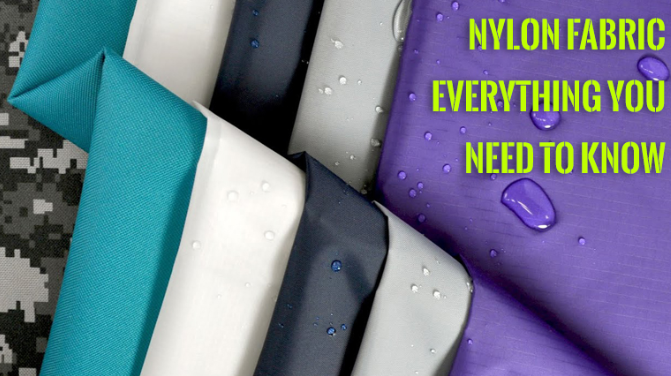
Nylon fabric has been a staple in the textile industry for decades. Known for its durability, lightweight nature, and versatility, it is a preferred material for fashion, sportswear, and everyday clothing. In this article, we explore the top uses, benefits, and tips for working with nylon fabric, helping fashion brands and startups make informed decisions when sourcing materials from wholesale clothing manufacturers.
What is Nylon Fabric?
Nylon is a synthetic polymer made from petrochemicals. It was first introduced in the 1930s and quickly gained popularity due to its exceptional strength and elasticity. Unlike natural fibers such as cotton or wool, nylon is fully man-made, allowing manufacturers to control its properties for various applications, from delicate hosiery to rugged outerwear.
Key properties of nylon fabric:
-
Lightweight yet durable
-
Resistant to abrasion and tearing
-
Quick-drying and water-resistant
-
Retains shape and resists wrinkles
-
Smooth texture, ideal for sportswear and fashion
Because of these properties, nylon fabric has remained relevant for over 80 years and continues to evolve with modern textile technology.
Top Uses of Nylon Fabric in Fashion
1. Activewear and Sports Clothing
Nylon is a popular choice for activewear because of its stretchability and moisture-wicking properties. It keeps athletes dry and comfortable while offering full freedom of movement. From yoga pants and running shorts to custom gym tops, nylon ensures high-performance clothing that lasts. Sports brands often blend nylon with spandex or elastane to provide maximum flexibility and comfort.
2. Outerwear and Jackets
Nylon is also widely used in jackets, windbreakers, and raincoats. Its durability and resistance to weather make it an ideal material for both casual fashion and functional outdoor gear. Lightweight nylon jackets can be layered easily, while heavy-duty options protect against harsh wind and rain. Fashion-forward brands often use nylon’s smooth finish to create sleek, modern designs.
3. Hosiery and Lingerie
Thanks to its smooth texture and elasticity, nylon is the go-to fabric for hosiery, tights, and lingerie. It provides a snug fit while remaining soft against the skin. Nylon’s ability to hold color and resist stretching ensures that these garments maintain their shape and appearance after multiple washes.
4. Bags and Accessories
Fashion brands frequently use nylon for backpacks, handbags, and travel accessories. Its water-resistant nature and durability make it a practical choice for everyday items. Nylon accessories are lightweight yet sturdy, making them perfect for students, travelers, and professionals who need functional and stylish storage solutions.
5. Swimwear and Active Outerwear
For swimwear and high-performance sportswear, nylon blends with spandex or elastane provide flexibility, quick drying, and resistance to stretching. This combination ensures that garments maintain their shape and fit, even with constant movement and exposure to water. From swimsuits to cycling shorts, nylon-based fabrics have become indispensable in activewear collections.
Benefits of Nylon Fabric
Nylon isn’t just versatile—it offers several advantages for fashion brands and manufacturers:
-
Durability: Nylon fibers are incredibly strong, ensuring garments last longer, even under heavy use.
-
Moisture-Wicking: Ideal for athletic wear, nylon keeps sweat away from the body, ensuring comfort during workouts or outdoor activities.
-
Lightweight Comfort: Clothing made from nylon is easy to wear and pack, perfect for travel or active lifestyles.
-
Easy Care: Nylon garments are typically machine-washable, quick-drying, and wrinkle-resistant.
-
Cost-Effective: Compared to some natural fibers, nylon is more affordable, allowing brands to create high-quality clothing without increasing production costs.
-
Versatility: Nylon can be woven, knitted, or blended with other fibers to produce a wide range of fabrics suitable for everything from lingerie to outerwear.
-
Color Retention: Nylon holds dye well, ensuring vibrant, long-lasting colors for fashion collections.
Tips for Working with Nylon Fabric
When sourcing nylon garments, especially from wholesale clothing manufacturers, keep these points in mind:
-
Check Fabric Blends: Nylon is often blended with spandex, polyester, or cotton to enhance flexibility and comfort.
-
Consider the Weight: Lighter nylon is suitable for sportswear, while heavier weights work better for outerwear and bags.
-
Quality of Fibers: High-quality nylon ensures longer-lasting garments, better color retention, and fewer issues during production.
-
Proper Care: Even though nylon is durable, following care instructions will help maintain fabric longevity and prevent pilling or damage.
-
Sustainable Options: Some brands now use recycled nylon, which reduces environmental impact without compromising quality.
Nylon Fabric in Custom Clothing and Branding
For fashion startups and established brands, nylon is ideal for creating custom clothing lines. Partnering with reliable wholesale clothing manufacturers allows brands to produce custom designs at scale while maintaining quality. Nylon’s flexibility and adaptability make it suitable for a variety of branded items, including:
-
Custom gym wear
-
Personalized jackets and outerwear
-
Branded bags and travel accessories
-
Custom sports uniforms
By leveraging nylon’s properties, brands can deliver high-quality products that meet customer expectations and boost brand recognition.
Conclusion
Nylon fabric continues to be a cornerstone in fashion and activewear due to its durability, versatility, and performance qualities. From activewear and outerwear to lingerie and accessories, nylon offers a practical, stylish, and cost-effective solution for brands of all sizes. For startups and established clothing brands looking to produce high-quality garments, partnering with experienced wholesale clothing manufacturers ensures access to premium fabrics, expert garment production, and consistent quality across every product line.

 English
 Arabic
 French
 Spanish
 Portuguese
 Deutsch
 Dutch
Dutch
 Italiano
 Russian
 Romaian
 Portuguese (Brazil)
 Greek
Greek