
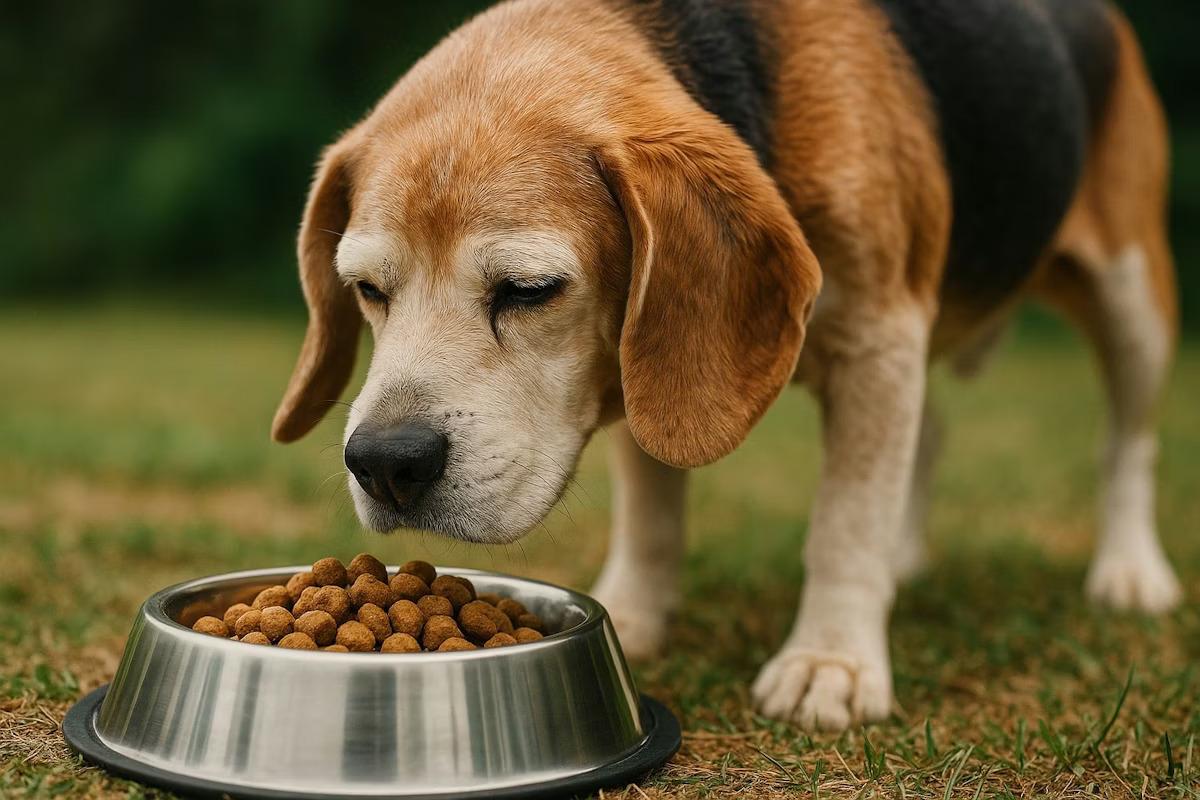
I’ve had dogs and cats for over fifteen years now, and one thing I’ve learned the hard way: what and when you feed them changes their body in ways you don’t always notice right away. Metabolism — that invisible engine that decides whether food turns into zoomies or extra rolls — shifts slowly. Feed them wrong for a few months and you start seeing a lazier pet. Feed them smart and they stay bouncy well into their senior years. Today I want to walk you through the feeding choices that actually move the needle on metabolism. Nothing fancy, just stuff that’s worked for my crew and lots of friends’ pets.
Metabolism Isn’t Fixed — It Responds Every Day
Think of your pet’s metabolism like a campfire. Feed small steady logs (meals) and it burns clean and even. Throw on huge logs irregularly and it either flares up then dies down or smolders and wastes fuel. Young animals usually have roaring fires — they burn everything fast. Older ones? The fire gets smaller unless you tend it carefully.
Age, neutering, how much they move, and — most important for us — feeding habits all dial that fire up or down. The nice part? You hold most of the controls.
Meal Timing — One Big Change Many Owners Miss
A lot of us grew up thinking “always food available = happy pet.” Free feeding feels kind, but for most dogs it quietly slows metabolism. Their body stays in constant digestion mode. No real fasting window means insulin stays higher longer, fat burning drops, and weight sneaks on.
I switched my Labrador mix to one meal a day around age four (vet approved it first). Within three months his waist came back, he had more pep in the evenings, and his yearly bloodwork looked cleaner. Not every dog loves OMAD — some get acid reflux — but splitting into two solid meals works great for tons of adult dogs too.
Cats are different beasts. They’re mini hunters. One giant bowl once a day often leads to gorging then long hungry stretches. That roller-coaster stresses their system. Three or four small meals spread out keeps their energy steadier. My old tabby lived to 17 and stayed slim on four tiny portions.
Bottom line: pick a rhythm that matches their natural style and stick to it like clockwork.
Portions — The Silent Metabolism Killer or Savior
Eyeballing scoops is where most of us go wrong. That “he looks hungry” look gets us every time. But those extra 20–30 grams per meal add up to pounds over a year.
After neutering, metabolism can dip 20–30 %. If you don’t lower the amount, the scale creeps. Feel the ribs weekly. You should find them without pressing hard, but they shouldn’t stick out. When my beagle started getting a little round I dropped her morning portion by 15 % and added ten minutes of fetch. Weight stabilized in six weeks.
Good portion control keeps metabolism efficient for years — less strain on joints, heart, pancreas.
Food Quality — What’s Inside the Bowl Matters Long-Term
Cheap fillers (corn, wheat, lots of grain) give quick sugar spikes. The body pumps insulin, stores fat, then crashes. Over months and years that pattern tires the system.
Higher-protein recipes with named meats first usually keep blood sugar calmer. My vet pushed me toward 30–35 % protein foods for my active dogs and I saw steadier energy and less begging between meals.
Fiber from veggies or pumpkin helps too — pets feel full longer without extra calories. And don’t sleep on life-stage formulas. Senior food isn’t just marketing; lower calories + joint helpers + extra protein protect aging metabolism.
Quick List of Habits That Help Metabolism Stay Strong
- Feed at the same hours every single day
- Measure with a proper cup or kitchen scale
- Go for named meat as the #1 ingredient
- Keep treats under 10 % of daily calories
- Walk or play right after eating when possible
- Weigh monthly — adjust food before the vet has to say something
- Transition new foods over 7–10 days
- Ask the vet about raw or fresh if you’re curious
Local Options Many Owners Like
Folks in Saudi Arabia often ask me about brands that ship well or are easy to find. Several pet parents swear by certain dog foods jeddah lines because the protein content is high and the kibble size suits different jaw strengths.
Others prefer reliable dog foods riyadh options that come in bigger bags and have consistent quality year-round.
What You Actually Notice After a Few Months
When metabolism is working right you see:
- Ribs and waist you can feel easily
- Steady mood — no hangry zoomies or couch potato mode
- Shinier coat and less shedding drama
- Fewer “senior” complaints even as years pass
My oldest cat hit 16 still jumping on counters because we never let portions slide.
Last Little Tips Before You Go
Don’t flip everything overnight — pick one thing (like measuring meals) and do it for two weeks. Watch, tweak, repeat. Every pet reacts a bit differently so what works for my chunky beagle might need adjusting for your speedy whippet.
Talk to your vet before big switches, especially if your pet is already overweight or has health stuff going on.
Feeding smart isn’t about perfection. It’s about small daily votes for a longer, happier life with your buddy. Start tomorrow morning — scoop the right amount, set the timer, and enjoy watching them thrive.

 Arabic
 French
 Spanish
 Portuguese
 Deutsch
 Turkish
 Dutch
Dutch
 Italiano
 Russian
 Romaian
 Portuguese (Brazil)
 Greek
Greek