
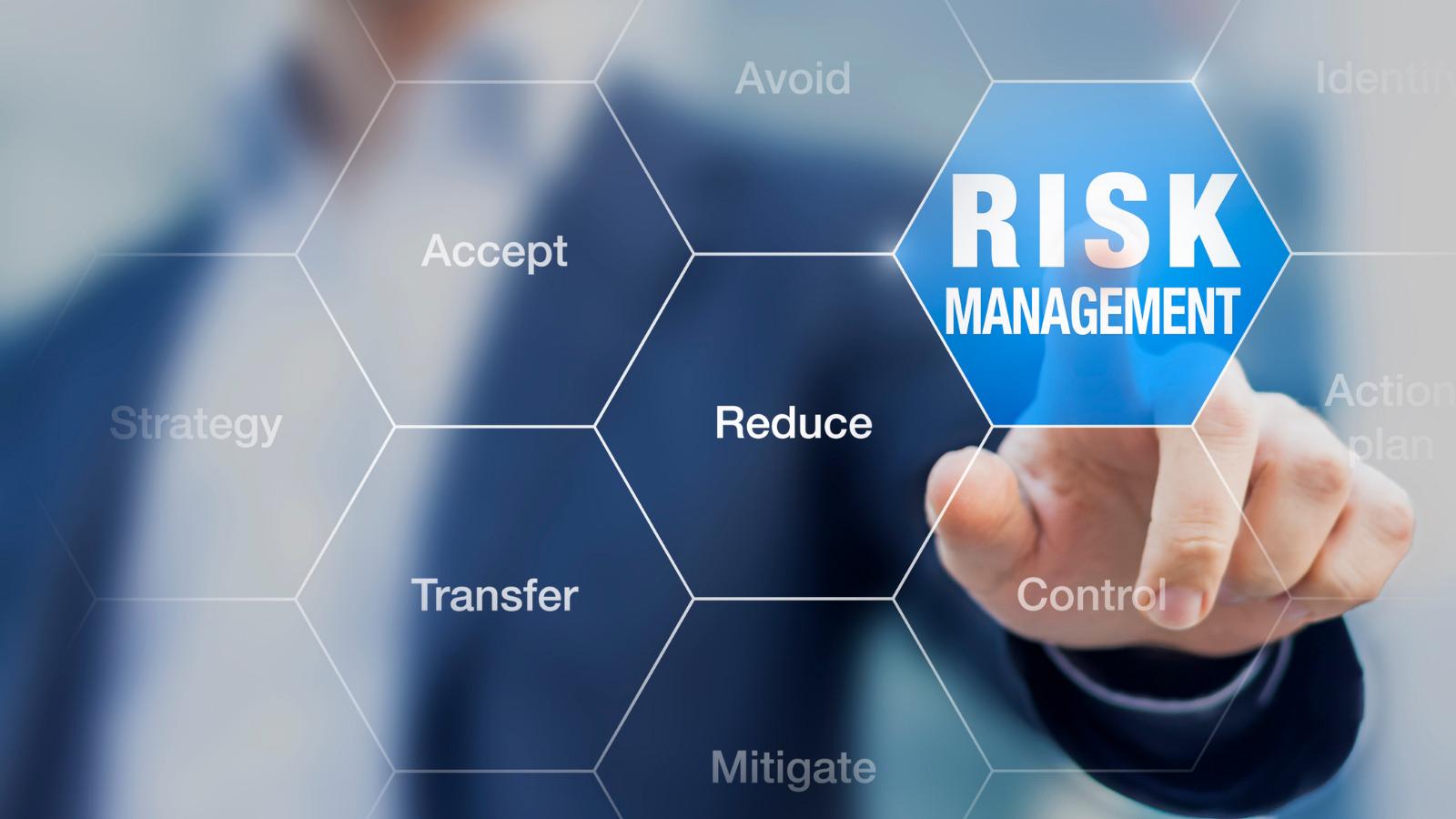
Responsible investing is about choosing companies that care about the environment, people, and good management — people often call it ESG investing. But just picking “good” companies is not enough. The smartest investors always keep one thing in mind: risk. Being aware of risk means understanding what could go wrong — and why. When you know the risks clearly, you protect your money and usually get better results over the long run. This article explains why risk awareness is so important in responsible investing today. Let’s keep it simple and practical.
What Risk Awareness Really Means
Risk awareness is not complicated. It means knowing the dangers that could hurt your investments — and understanding where they come from. In responsible investing, risks are not only normal market ups and downs. They also include ESG risks:
- Environmental risks: climate change laws, pollution fines, water shortages
- Social risks: bad worker treatment, customer boycotts, community problems
- Governance risks: poor leadership, corruption, weak board decisions
When you are aware of these risks early, you avoid companies that might cause big trouble later. You choose companies that handle these risks well — and those companies usually perform better over many years.
Why Risk Awareness Has Become So Important
The world is changing very fast. Climate rules are getting stricter. Customers boycott companies that act unfairly. Governments punish bad management. Investors who ignore these changes can lose money suddenly.
Many big studies now show that ESG risks are real financial risks. Companies with weak ESG often face:
- High fines or shutdowns
- Lost customers and damaged reputation
- Difficulty borrowing money at low rates
- Sudden share price drops when problems become public
When investors spot these risks early, they can avoid them. They put money in companies that are better prepared for the future. That preparation usually means more stable and stronger returns over time.
How Good Risk Awareness Protects Your Money
Being aware of risks does not mean avoiding all risk — it means taking smart risks. Here are the main ways it helps:
- You avoid “greenwashing” companies — businesses that talk about being sustainable but actually do harm
- You spot companies that manage ESG risks well — they often have stronger profits and share prices over time
- You reduce big losses during crises — companies with good governance and ethics usually recover faster
- You feel more confident — you know exactly why you own each investment
- You sleep better at night — your money is not sitting in companies that could cause sudden bad news
Many long-term investors now say the same thing: “If I don’t understand the ESG risks, I don’t understand the investment.”
Real-World Examples That Show the Difference
Real stories make this very clear.
One large energy company ignored climate risks for years. When new laws came, they had to pay huge fines and close old plants. Their share price fell sharply. Investors who were aware of the risk sold early and avoided the loss.
On the other side, companies that invested early in clean energy and fair labor practices often grew stronger during the same period. Investors who studied ESG risks put money there and saw steady gains.
Another example: companies with poor governance (weak boards, high executive pay with no results) often face scandals. When the scandal breaks, share prices drop fast. Investors who checked governance risks avoided those companies.
These real cases show the same lesson: awareness of ESG risks usually protects money and leads to better long-term outcomes.
How to Build Risk Awareness in Your Own Investing
You don’t need to be an expert to start. Here are simple steps you can take today:
- Read company ESG reports — most big companies publish them every year
- Use free ESG rating websites — they give simple scores and explanations
- Ask basic questions: Does the company have a strong board? Do they report honestly? How do they handle climate and worker rights?
- Diversify across sectors and countries — this reduces the impact of any single risk
- Choose funds that focus on responsible investing — many now explain how they manage ESG risks
- Review your investments once or twice a year — check if new risks have appeared
In Saudi Arabia, many investors use these same steps. A good investment strategies saudi arabia can help explain local and global ESG risks clearly.
A jeddah wealth management firm often applies risk awareness across many businesses — this is one reason they stay strong over decades.
You can start small. Even checking one or two companies makes a difference.
Common Mistakes Investors Make
Many people make these simple mistakes — and lose money because of them:
- Believing every company that says it is “green” or “responsible” (greenwashing)
- Focusing only on short-term profits and ignoring long-term ESG risks
- Putting too much money in one sector (for example, only oil or only tech)
- Not reviewing investments regularly — risks change over time
- Following social media hype instead of checking real data
Avoiding these mistakes is one of the easiest ways to become a smarter, more responsible investor.
The Future of Risk Awareness in Responsible Investing
The future will demand even more risk awareness. Governments are making ESG reporting mandatory. Companies will have to show their risks clearly. Investors will have more information than ever before.
Younger investors already care deeply about these issues. They want both good returns and positive impact. As they control more money in the coming years, risk awareness will become standard.
Technology will help too. New tools will make it easier to spot ESG risks quickly. This means everyday investors can be just as aware as professionals.
The message is clear: the more you understand risks, the better your decisions — and the stronger your long-term results.
Final Thoughts
Risk awareness is one of the most important skills in responsible investing. It protects your money. It helps you choose companies that are built to last. It lets you invest with both your head and your heart.
You don’t need to be an expert to start. Just ask questions. Check basic ESG information. Review your investments regularly. Over time, this habit will make your portfolio stronger and safer.
Responsible investing is not only about doing good — it is also about doing well. Risk awareness is the bridge that connects the two.

 Arabic
 French
 Spanish
 Portuguese
 Deutsch
 Turkish
 Dutch
Dutch
 Italiano
 Russian
 Romaian
 Portuguese (Brazil)
 Greek
Greek