
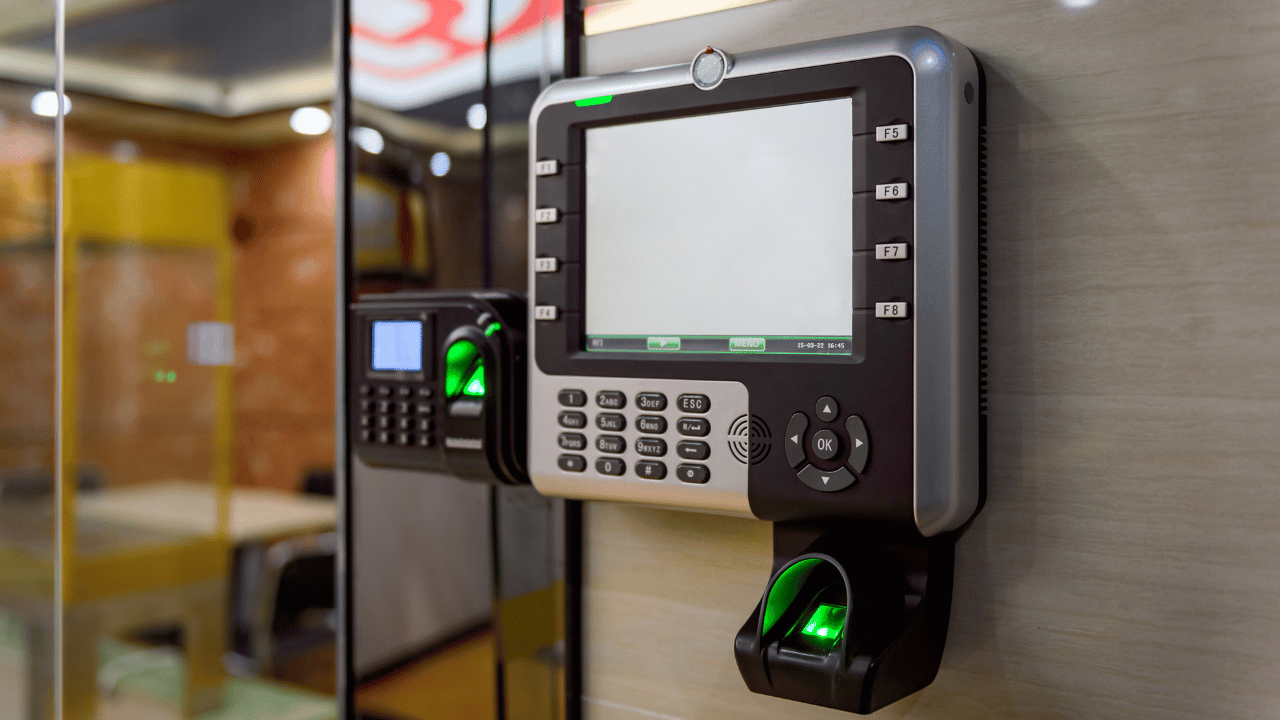
Access control systems protect your business entrances by ensuring only authorized individuals can enter specific areas at specific times. They replace traditional keys with secure, trackable credentials and provide real-time visibility into who is coming and going. By combining smart technology with detailed reporting, they significantly reduce the risk of theft, unauthorized access, and internal security breaches.
Imagine arriving at your office on a Monday morning to discover sensitive inventory missing or confidential files tampered with. The doors were locked, no windows were broken, and yet someone clearly had access. Situations like this happen more often than many business owners realize—and most of the time, the problem isn’t forced entry. It’s uncontrolled access. That’s where modern access control systems step in to protect what matters most.
Why Business Entrances Are a Critical Security Point
Your entrance is more than just a door. It’s the primary gateway between public space and private operations. Whether you operate a retail store, office building, warehouse, or healthcare clinic, your entry points determine who can interact with your people, property, and data.
Traditional locks and keys present several problems:
-
Lost or duplicated keys
-
No record of who entered and when
-
Costly rekeying when employees leave
-
Limited control over after-hours access
Modern access control systems eliminate these vulnerabilities and give you total command over entry permissions.
How Access Control Systems Work
Access control systems use electronic credentials—such as keycards, fobs, PIN codes, or mobile apps—to grant or deny entry. When someone attempts to enter, the system checks their credentials against a secure database and makes an instant decision.
Authentication and Authorization
Authentication verifies identity. Authorization determines what that identity is allowed to do. For example:
-
An employee may access the main entrance from 8 AM to 6 PM.
-
A manager may access storage rooms at any time.
-
A contractor may only have temporary access during a project window.
Systems like Brivo Access Control provide flexible permission settings, allowing business owners to customize access by role, department, or schedule.
Real-Time Monitoring
One of the strongest advantages of modern systems is live visibility. With cloud-based platforms such as Brivo, business owners and security managers can monitor entrances remotely from a smartphone or desktop dashboard.
You can:
-
View entry activity instantly
-
Receive alerts for forced door attempts
-
Lock or unlock doors remotely
-
Generate access reports
This level of oversight dramatically improves accountability.
Preventing Unauthorized Entry
Unauthorized access is one of the biggest risks businesses face. This can include former employees, disgruntled staff, opportunistic thieves, or even well-meaning visitors wandering into restricted areas.
Instant Credential Deactivation
If an employee leaves your company, you don’t need to collect keys or change locks. With systems like Brivo, you can deactivate their credentials immediately. Access ends the moment you remove permission.
Elimination of Key Duplication
Physical keys can be copied without your knowledge. Digital credentials cannot. Each access card or mobile credential is uniquely assigned and encrypted, making unauthorized duplication nearly impossible.
Multi-Factor Authentication
For higher-risk environments, access control systems can require two forms of verification, such as:
-
Card + PIN
-
Mobile credential + biometric scan
This layered protection makes it significantly harder for intruders to bypass security.
Improving Employee and Visitor Management
Security isn’t just about keeping threats out—it’s also about managing legitimate access efficiently.
Controlled Visitor Entry
Modern systems allow you to issue temporary credentials to vendors, contractors, or guests. Platforms like Brivo integrate with visitor management tools so guests can be pre-registered and granted limited-time access.
This prevents front desk bottlenecks while maintaining strict control.
Access Schedules and Zones
Not every employee needs 24/7 access. Access control systems let you:
-
Restrict weekend entry
-
Limit access to sensitive rooms
-
Create tiered security levels
With Brivo, businesses can define zones and assign permissions accordingly, ensuring each person only accesses areas relevant to their role.
Integration With Other Security Systems
Access control becomes even more powerful when integrated with surveillance cameras and alarm monitoring.
Video Verification
When someone enters using a credential, the system can link that event to video footage. If suspicious activity occurs, you can quickly review who accessed the door and confirm identity.
Alarm System Coordination
If a door is forced open, the access control system can trigger an alarm. Some systems also prevent alarm disarming unless an authorized credential is used.
Cloud-based platforms such as Brivo are designed to integrate seamlessly with broader security ecosystems, creating a unified protection strategy.
Protecting Sensitive Areas Within Your Business
Your main entrance isn’t the only concern. Internal doors often require even tighter control.
Common high-security areas include:
-
Server rooms
-
Cash storage areas
-
Inventory warehouses
-
HR or records offices
With Brivo, you can apply stricter access rules for these zones while maintaining easier entry at general access points.
Audit Trails and Compliance Benefits
Many industries require detailed access records for compliance and liability protection.
Access control systems automatically log:
Entry time
-
Exit time
-
Credential used
-
Door location
If an incident occurs, you have a digital audit trail. This documentation can support investigations, insurance claims, or regulatory audits.
Cloud-managed platforms like Brivo make report generation simple, allowing you to export access logs within minutes.
Remote and Multi-Location Management
For businesses with multiple locations, centralized control is essential.
Instead of traveling between sites to update locks or retrieve keys, you can:
-
Manage all entrances from one dashboard
-
Standardize security policies
-
Receive alerts from every location
Brivo is particularly beneficial for multi-site businesses because it offers centralized cloud management. This ensures consistent protection across offices, retail stores, and warehouses.
Reducing Long-Term Security Costs
While access control systems require an upfront investment, they reduce long-term expenses by:
-
Eliminating rekeying costs
-
Reducing theft and shrinkage
-
Lowering liability risks
-
Improving operational efficiency
Because platforms like Brivo operate in the cloud, they also reduce the need for expensive on-site servers and IT maintenance.
Building a Stronger Security Culture
When employees know access is monitored and tracked, accountability increases. Clear entry rules, secure credentials, and structured permissions create a culture of responsibility.
Access control systems don’t just block intruders—they send a message that security is taken seriously. That confidence reassures staff, customers, and partners alike.
Conclusion
Protecting your business entrances is about more than locking doors—it’s about controlling, monitoring, and documenting every entry point with precision. Modern access control systems provide real-time visibility, flexible permissions, seamless integrations, and powerful reporting tools that traditional locks simply cannot match. By implementing a smart solution and partnering with experienced professionals like Spotter Security, businesses can safeguard their entrances and operate with confidence every day.
FAQs
1. What is an access control system?
An access control system is a security solution that manages who can enter specific doors or areas using electronic credentials like cards, fobs, or mobile apps.
2. How does Brivo Access Control improve business security?
Brivo Access Control offers cloud-based management, real-time monitoring, customizable permissions, and detailed reporting for better entrance protection.
3. Can access control systems work with security cameras?
Yes, many systems integrate with surveillance cameras to link entry events with video footage for verification and investigations.
4. What happens if an employee loses their access card?
The credential can be instantly deactivated, preventing unauthorized use, and replaced without changing locks.
5. Are access control systems suitable for small businesses?
Yes, modern systems are scalable and can be customized for small offices, retail stores, and large multi-location enterprises alike.

 Arabic
 French
 Spanish
 Portuguese
 Deutsch
 Turkish
 Dutch
Dutch
 Italiano
 Russian
 Romaian
 Portuguese (Brazil)
 Greek
Greek