
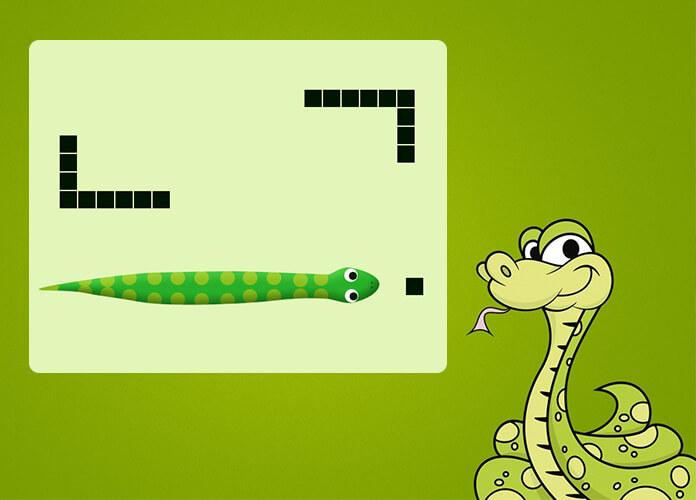
In the realm of video games, the Snake Game serves as a prime example of minimalist design done right. Its enduring popularity and addictive gameplay highlight the power of simplicity in capturing players' attention and keeping them engaged. Let's delve into the design lessons that can be gleaned from this classic game.
1. Simplicity is Key
At the core of the Snake Game's design philosophy lies simplicity. The game features a minimalistic interface—a grid, a snake, and a few pellets. This stripped-down approach not only enhances the game's visual appeal but also allows players to focus on the gameplay itself. By decluttering the design and eliminating unnecessary elements, the game achieves a level of elegance that is both visually pleasing and easy to understand.
2. Intuitive Controls
One of the hallmarks of the Snake Game is its intuitive controls. Players can navigate the snake using basic directional inputs, making the game accessible to users of all skill levels. The straightforward controls contribute to the game's pick-up-and-play nature, allowing players to jump in and start enjoying the experience without the need for complex tutorials or instructions.
3. Clear Feedback
In the Snake Game, feedback is immediate and clear. When the snake consumes a pellet, it grows longer, providing a visual indicator of progress. Conversely, if the snake collides with itself or the boundaries of the play area, the game promptly ends. This direct feedback loop reinforces player actions and decisions, helping them understand the consequences of their choices and learn from their mistakes.

 English
 Arabic
 French
 Portuguese
 Deutsch
 Turkish
 Dutch
Dutch
 Italiano
 Russian
 Romaian
 Portuguese (Brazil)
 Greek
Greek