
This part of the Article is entitled for Career Paths, Trends, and Compensation. A lot of people come in here and have no idea about the angiology, embryology, then gradually they love the job, then they stay on. That's more like on-the-job training. And some of us, we get exposed during the graduate school, master, or PhD programmes doing like embryology or stem cell research.
And there are college programmes, for example, in the animal science, they will teach you those animal breeding and relevant embryo transfer and those skills. And the academic background training of lab professionals usually include animal science, like I mentioned, like an internship and also the farm animal, those breeding programmes and agricultural programmes, and the basic biology and biomedical sciences. There are medical laboratory sciences, clinical lab science, and medtech programmes.
In recent years, there is an emerging trend of master and PhD programmes with focus in clinical ART. And there are many well-known schools and programmes, including the EVMS and Colorado State University, which has a very nicely designed master programme. And also in Europe, there are programmes in Belgium, Spain, United Kingdom, as well as the Indo-Pacific region.
There are several programmes in India and also in other regions of the Pacific. So career tracks in the clinical ART labs include those, but not limited to those. The first is the lab director.
There are different tracks of doctorate and non-doctorate lab director tracks. And for the non-lab directors, there are supervisor, either technical or general supervisor roles. There are senior and junior testing personnels, including embryologists, andrologists, and endocrine analysts.
And also there are different states which require a different certification, or you have to fulfil a certain educational background. For example, in California, the CLS is mandated. And there are more like a business side.
You can also switch and gradually convert the role into a lab manager or clinical manager. And there are freelance, like part-time per-team consultants. Those consultants, they either do the hands-on work, and some of them, they do more like a managerial work.
Some of them will do on-site, some of them will be off-site. And there's the translational research, which you can combine the clinical embryology or andrology skills and apply them, like combining those with the basic research. So for example, like many vendors of the lab medium and those new equipment, the time-lapse machines, they require those translational research, like people who know both sides of the world.
So that also includes the industrial tech track. Some of them are R&D, and some of them are in the field doing the technical support, like troubleshooting for the clinics. And there are like different tracks in the industrial business.
For example, you can work on the product manager, regional territory sales manager, and marketing. And those will be like away from the bench. However, they are also very rewarding.
Some people, they will switch back and forth between those roles. And there are other tracks, like advocate for policy. You can work for law firm, for like patent laws.
And also you can do that consulting work to the business, investors, and also government. Required and preferred skills will include, the first part is more like hard skills, including basic andrology, embryology, endocrinology testing, and HC-assisted hatching and embryo biopsy. Those are the micro-manipulation skills.
Another very important skill is cryopreservation. And nowadays, the majority of the cryopreservation is using vitrification. And also the thawing, warming skills.
And the optional skills today, which might be like a required skill in the future, would be like a time-lapse or even like artificial intelligence annotation and analysis. And some of the clinics, they run the in-house PGT if they have a good volume. And the non-invasive PGT is also like an emerging field in our profession.
And there are some research skills, like molecular biology, PCR. Those would be optional. And occasionally, if you work with academic-based programmes, you will be able to apply those skills.
The second set of skills is soft skills, including quality management, QA, QC, continual quality improvement, and the electronic health record, like data entry management. That also includes the data entry to the SART and CDC. And the inventory management, which is really important and critical.
And the compliance to the CLIA, CAP, Joint Commission, those accreditation agencies. And statistical skills for research and quality management. And nowadays, the communication skills have become more important than ever.
That includes not just the internal for the lab and also with the clinician and nurses, as well as the external, like outside facilities, patients, vendors. A good communication skill is very important nowadays. And leadership and business skills, especially for the industrial jobs, if you want to climb up the ladder, and also you want to start up your own business, those are very critical.
So, there are all kinds of other skills, like emerging, or we can always learn. And later on, we can discuss what is the commonly found areas of skill, either in hard skills or soft skills that the junior people should obtain, or oftentimes, we see the senior people, which would need to improve. So I want to spend a minute to talk about the career planning.
The most widely used career planning tool is SWOT analysis. Strengths, weakness, opportunities, and threats. And there are other, like human resource developed, like assessment at 360, critical incident, and those.
And we're not going to talk about those. And in the ART lab job market, they are in very, like a high demand for experienced embryology nowadays, especially the demand has increased dramatically in recent years. And also there are, like impact of franchise clinics.
Would that, for the career development, would that help more benefit the individual embryologist more, or does it have an overall negative impact? That's a big topic for discussion. And also there are innovative technology as facilitator or interrupter. And we don't know if AI will make us like either lose our job or we become more like sitting in front of desk and the machines or the robots, like running the lab.
And there are some other unique requirement and challenges in our profession. So we can discuss this with our panellists. And for the career planning, I would like to spend a little bit time talking about the salary trends as well.
The latest surveys based on the 2018, and we're running the 2021 salary survey, and it will be released very soon. So please spend a little bit of time and fill out the questionnaires. And we want to collect as many responses and truly reflect the job market nowadays.
And here's a just like a brief, like a outline of the career planning and support analysis. It's not, this one is not written for the ART professionals. So it's like more like a general thing though.
So if you go to the source, then they have those slides that you can download. So the current status of the reproductive lab profession. So the SRBT, we ran this like a retrospective analysis throughout the 2001 through 2018.
So every two years we have this salary survey. So we did a retrospective analysis on those data. And we focus on several categories, the workload, wellness, earnings, and job satisfaction.
The variables in our study include like work environment, benefits, salary of various like job titles, different clinic settings, gender, as well as job satisfaction and burnout, and also the offsite consulting. So key compensation numbers were used to compare with some benchmark like a national earning data from the US Bureau of Labour Statistics, and also other similar clinical lab and biotech sector wage surveys. So in the ART lab, there are different type of work environments.
For the hands-on and supervisory lab positions, usually we divide those into the university-based or academic programme. There are private facility centre, either independent or franchised. And there will be a hospital-based jobs as well.
And oftentimes we see this hybrid setting like a dual appointment, or you might work for the university while you get paid from the hospital, or it's a university-based, but owned by private equity. And as we mentioned, there are freelance jobs, consultant jobs, and there are clinical translational research and industrial tech track available. In our survey, most of the responses were from the embryologist.
Medline Academics
Embryology is not just science; it means imparting hope, healing, and a fresh start for many families. There is a lot of demand for skilled embryologists, both in India and abroad, so it promises both professional stability and immense personal gratification. A proper structure of learning, exposure to practicals, and guidance from an expert are the formulae to success in this great profession. At Medline Academics, we offer Embryology Training in Bangalore and Embryology Course in Bangalore that will provide you with advanced knowledge, practical training, and preparedness for the industry. Upon completion of this fellowship, students will not only be qualified but will also be able to obtain a rewarding professional career in reproductive medicine that makes real-life impacts for patients.
Most of people, they work on the embryologist, and more than half of the responses, they also work as a lab director. Those are like a multiple choice. People can choose more than one answer.
And many of us, we also spend time working as andrologist as well. The surveys provided by the programme are pretty much consistent throughout most of those traditional services like IVF-XC, IUI, semen analysis, and still a little bit of clinics still do the GIFT and ZIFT. And the donor egg bank gradually getting popularity.
And also the PGT. PGT is kind of mainstream nowadays. So back in 2018, the average annual clinical workload processed by each full-time, like a 1.0 full-time hands-on personnel include one, this is the average number from the survey.
So overall, the survey responses show that they are satisfied with their current jobs and optimistic on job market, like the future of the job market. So most common benefits people received include health, dental insurance, paid time off, retirement plan, and support for conference attendance and certification. This is the breakdown of the numbers I just mentioned.
Here we see the annual oocyte retrieval per the full-time embryologist. Like the majority range around like a 76 to 150. And this one is the annual FET cycle, the PGT cycle.
And this is the area that gradually increased in the workload and annual andrology cycles. And here's the benefits received. So it divided by different like a setting of university-based, hospital-based, and also private clinic.
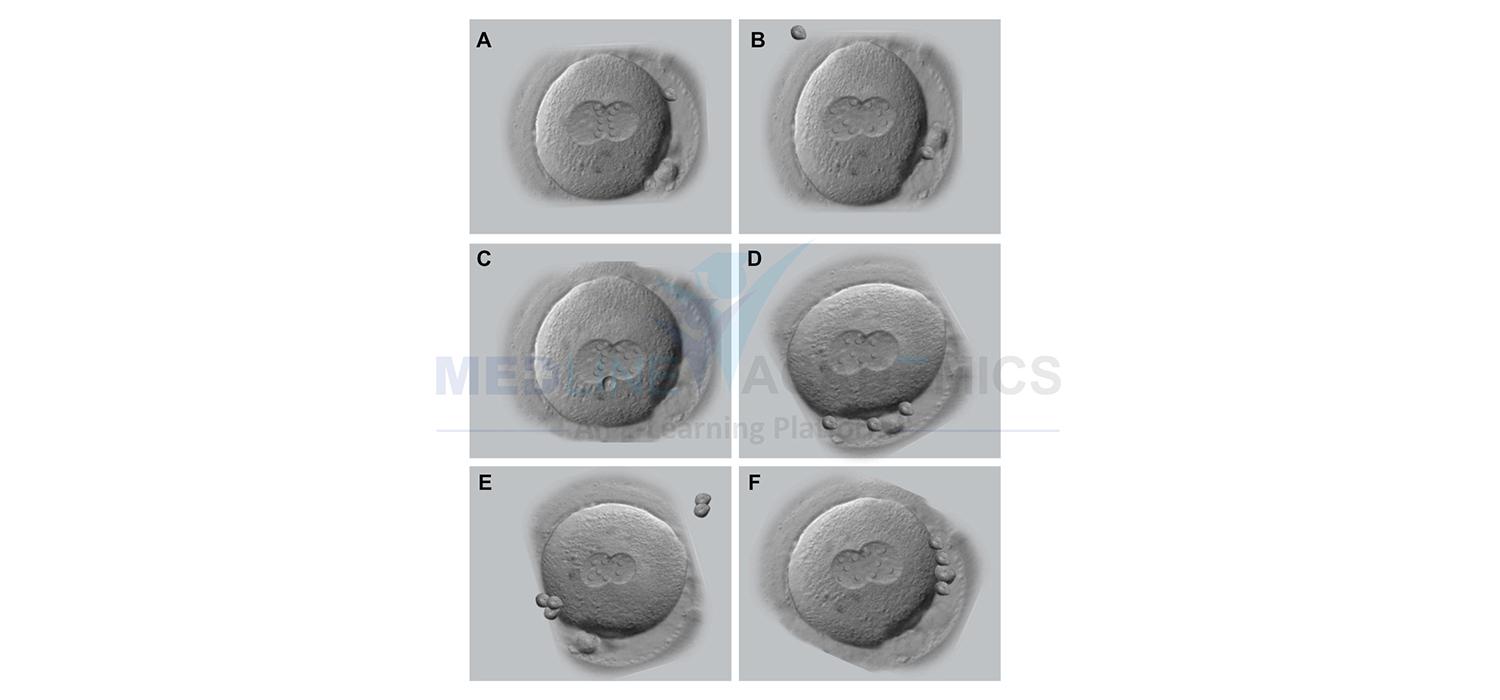
Dr. Kamini Rao Hospitals takes pride of their work, and the good quality embryos serve as testimony to the quality service we give to our patients and goodly patients. It's expected of us to show every patient their embryos before transferring them to their uterus. And our Chief Embryologist and Infertility Doctors in Bangalore them about their cycle, quality of embryos developed, and giving them all the important details from number of eggs retrieved to the husband's sperm information. We do embryo transfer procedure. This procedure involves the transfer or placement of day two or day three embryos for cleavage transfer, and day five embryos for blastocyst transfer to the patient's uterus. It's performed by guiding the catheter containing the embryo with a probe using transvaginal ultrasound to the transfer site with or without anaesthesia.
So now we're going to discuss compensation. So, throughout the past 20 years, the nominal compensation, so not adjusted for inflation, of reproductive lab professionals, either director or non-director categories, it increased throughout most of the survey period. The numbers, the compensation numbers of the ART lab professionals tend to be higher than the national average for college and advanced degree workers.
Such earnings and also higher than most of other clinical lab specialities, with exception in a couple of biotechnology sectors. And unfortunately, we still see the gender-related difference in compensation. So it remains very significant in different categories, despite that in our profession, the gap is overall smaller than nationwide college advanced degree workers.
Also, recent data revealed that the wider distribution inside a range. So maybe that reflect the volatility due to a short supply of senior embryologists. So many people, they want to get into the door and join our field.
And once you become a senior embryologist and have your reputation well-known, then it become highly sought after. And salary would reflect that shortage of the supply, especially since the last year, after the COVID reopening, just generate a lot of the patient volume nationwide. So that also caused a more severe shortage of the senior embryologists.
So recent data also show that increasing portion of bonus in the compensation structure, which may indicate clinics utilising bonus incentives across all different settings. And also they want to reward the embryologist who is willing to take on such kind of bonus structure. And one question we can ask everybody and kind of have a discussion is what the impact of COVID made on the job market and also the compensation in recent two years.
So this is the non-director, the staff level average median pay salary throughout the past 20 years through 2018. So the benchmark is the nationwide college and also advanced degrees. And as I mentioned, the average wage of the ART lab professionals is higher than most clinic, other clinical lab testing personnel, with some exceptions.
And some of those like pathologist assistants, like a lead and staff, and some of the private biotech industry also they pay much better. However, this is in the industry. So it's really cannot compare to many embryologists who actually based in the academic or the hospital.
And this is for the director and non-director in the lab. So this is a compensation like trend for those lab professionals. Another topic we focused on the survey was employee wellness.
The majority of survey responses indicate that they face significant stress, like 89% of those answer medium to extremely high level of stress. And 60% show that they constantly have burnout. And 73% of the embryologists and angiologists and endocrine testing people in the US, they have to work overtime.
So in the past decade, the average cycle, the case number per staff have not significantly changed from the survey we observed. However, the workload has increased dramatically. So 20 years, if you do mostly conventional IVF is eight hours of the work hours you have to spend on each cycle.
And nowadays, if you work on like 8C IVF plus PGT biopsy, that's 17 hours, which equivalent to more than two conventional IVF cycles. So the cycle number, the absolute number didn't change significantly in the past decade. However, the workload has dramatically increased.

 English
 Arabic
 French
 Spanish
 Portuguese
 Deutsch
 Turkish
 Dutch
Dutch
 Italiano
 Russian
 Romaian
 Portuguese (Brazil)