
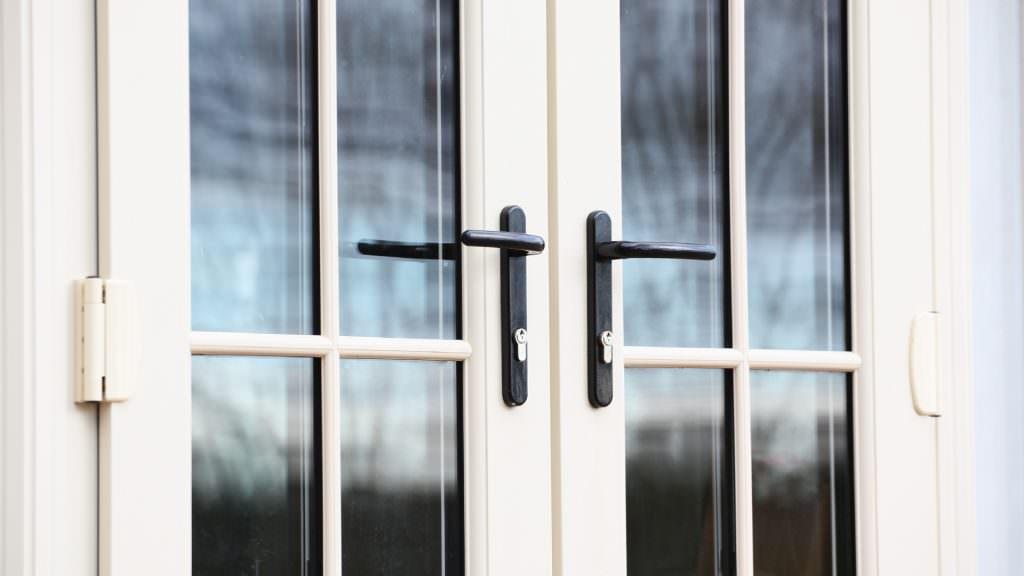
uPVC doors are popular for their durability, energy efficiency, and low maintenance. Yet, like any frequently used household fixture, their handles can develop issues over time.
Many of these problems are minor, and with the right knowledge, homeowners can resolve them without calling a professional. This article explores the most common problems with uPVC door handles, what causes them, and how to fix them safely and effectively.
1. Loose uPVC Door Handle
What Causes It?
A loose uPVC door handles usually occurs due to natural wear and tear. The constant pulling and pushing can gradually loosen the screws within the backplate. In other cases, temperature fluctuations may cause slight expansion or contraction of the plastic, encouraging components to shift over time.
How to Fix It
- Locate the two screws on the internal backplate.
- Use a screwdriver to tighten them gently.
- Test the handle—if it still feels loose, remove the handle to inspect the screw threads.
- Replace worn or stripped screws if necessary.
Tip: Avoid over-tightening. This can damage the uPVC material or apply unnecessary pressure to the mechanism.
2. Handle Drooping Downwards
What Causes It?
A drooping handle is commonly caused by a worn spring cassette inside the handle mechanism. Over time, the springs lose tension and fail to return the handle to its horizontal resting position.
How to Fix It
- Remove the handle by unscrewing the backplate screws.
- Inspect the spring cassette(s) located inside the handle.
- If the spring is broken or stretched, replace the cassette with a matching part.
- Reassemble the handle and test its movement.
Replacement spring cassettes are inexpensive and easy to install. Just ensure they match the type of handle you have (some use single springs, others twin).
3. Stiff or Hard-to-Operate Handle
What Causes It?
A stiff handle usually indicates resistance from the gearbox in the door’s multi-point locking mechanism. This may be caused by:
- Misalignment between the door and frame
- Lack of lubrication
- Weather-induced expansion
- Wear inside the gearbox
How to Fix It
Step 1: Lubricate the mechanism
Use a silicone spray or graphite lubricant on the moving parts, including the latch, spindle hole, and locking points.
Step 2: Check alignment
Close the door and look at the gaps around the frame. If the handle is only stiff when the door is closed, misalignment is the likely cause.
Adjust the hinges or strike plate using a screwdriver or Allen key. Aim for even spacing around the frame.
Step 3: Inspect the gearbox
If lubrication and alignment don’t work, remove the handle and check the gearbox spindle hole. If it looks damaged or feels rough, the gearbox may need replacing.
4. Handle Doesn’t Lift Fully to Lock
What Causes It?
If the handle doesn’t lift fully, the locking mechanism may not be engaging correctly. The common causes include:
- Misaligned locking points
- Blocked or damaged keeps on the frame
- Warped door
- Internal mechanism wear
How to Fix It
- Open the door and test the handle while it’s not under load.
- If it lifts easily when open, the issue is alignment—not the mechanism.
- Adjust the keeps/strike plates on the frame until the locking points engage smoothly.
- Clean dirt or debris lodged in the keeps.
If the handle still won’t lift when the door is open, a gearbox or multi-point lock replacement is likely required.
5. Spinning Door Handle (Handle Turns But Doesn’t Open the Door)
What Causes It?
A spinning handle that doesn’t engage the latch typically means:
- The spindle is broken
- The spindle isn’t seated correctly
- The gearbox cam has failed
How to Fix It
- Remove the handle and inspect the spindle (the square metal bar connecting both handles).
- If the spindle is rounded or snapped, replace it.
- If the spindle looks fine, the gearbox cam may be broken—this requires replacing the gearbox or full locking strip.
A spindle is cheap and easy to replace; a gearbox is more complex but still manageable for DIYers with basic tools.
6. Handle Stuck in the Down Position
What Causes It?
When the handle is stuck downward, the latch inside the mechanism has likely jammed. This can be caused by:
- A broken spring inside the gearbox
- Dirt or corrosion
- A worn internal latch
How to Fix It
Try these steps:
Step 1: Lubricate
Apply silicone spray around the latch and spindle hole.
Step 2: Remove the handle
Check whether it moves freely when disconnected.
- If the handle moves freely when removed, the gearbox is jammed.
- If the handle itself is jammed, replace the handle.
In most cases, a stuck handle means the gearbox needs repair or replacement.
7. Key Turns But Handle Won’t Move
What Causes It?
This issue is usually linked to the cylinder (lock barrel) or gearbox.
Possible causes include:
- A misaligned cylinder
- A faulty locking cam
- A worn gearbox preventing the handle from engaging
How to Fix It
- Check whether the key turns smoothly.
- Lubricate the cylinder with graphite powder.
- If the key turns but the handle stays locked, the gearbox is failing. Replace the gearbox.
Cylinder issues are relatively inexpensive to fix. Gearbox replacements are more involved but still manageable with DIY skills.
8. Handle and Lock Difficult to Operate in Cold Weather
What Causes It?
uPVC expands and contracts with temperature changes. In winter, door components can shrink slightly, causing misalignment or stiffness.
How to Fix It
- Lubricate the locking mechanism and hinges.
- Adjust the hinges to compensate for seasonal movement.
- Ensure the door seals are not obstructing the closing action.
Seasonal adjustments are normal for uPVC doors.
Preventing Future Handle Problems
Regular Maintenance Tips
- Lubricate locking points every 6–12 months.
- Inspect and tighten screws annually.
- Clean debris from the strike plates and frame.
- Avoid slamming the door—this stresses the mechanism.
- Check alignment each season.
Routine care can significantly extend the lifespan of your uPVC door handle and locking system.
Final Thoughts
Most uPVC door handle problems stem from everyday wear, misalignment, or lack of lubrication. Thankfully, many of these issues are simple to diagnose and easy to repair yourself. From tightening loose screws to replacing spring cassettes or adjusting hinges, homeowners can fix most problems with minimal cost and effort.
However, if the lock mechanism is severely damaged or the door refuses to open, a professional locksmith may be needed. Addressing issues early helps prevent more serious failures and ensures that your uPVC door remains secure, reliable, and easy to operate for years to come.

 Arabic
 French
 Spanish
 Portuguese
 Deutsch
 Turkish
 Dutch
Dutch
 Italiano
 Russian
 Romaian
 Portuguese (Brazil)
 Greek
Greek