
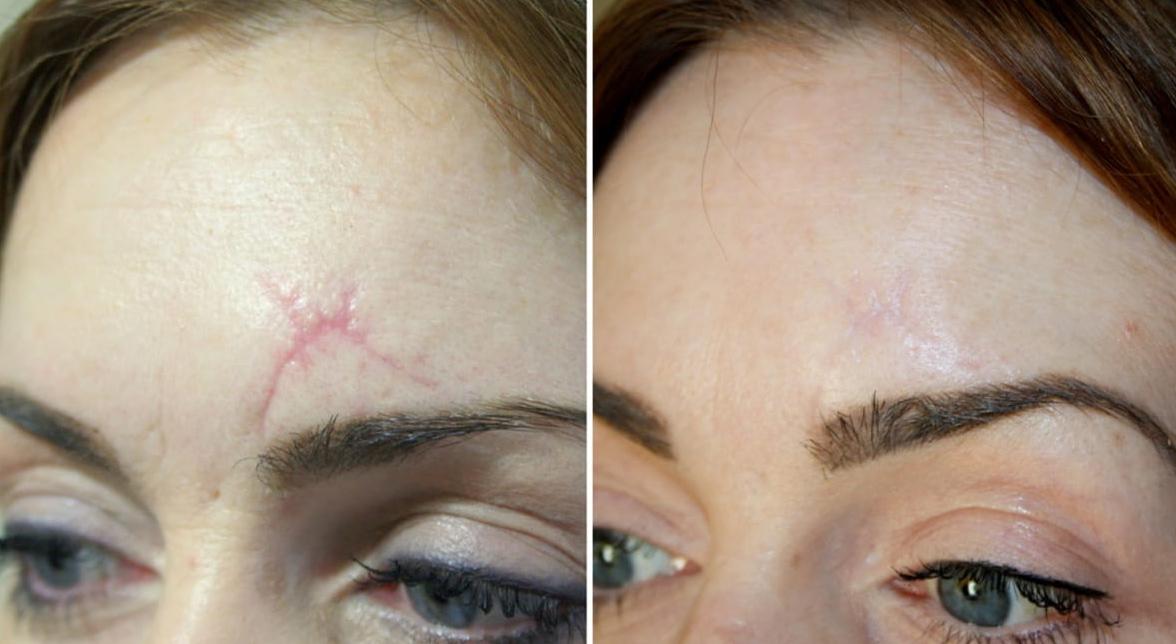
Stretch marks are one of the most common skin concerns worldwide, affecting both men and women across all ages. Whether caused by pregnancy, growth spurts, weight changes, hormones, or genetics, these fine lines are essentially a form of dermal scarring.
Over the years, treatments have evolved significantly, from laser therapies to microneedling and topical agents, each offering varying degrees of improvement. Among the latest innovations is a technique known as inkless stretch mark revision, often referred to in the beauty industry as Inkless Stretch Mark Removal.
Unlike camouflage tattooing or pigment-based solutions, this method relies on the skin’s own regenerative response to repair and rejuvenate stretch-marked areas.
To understand why this approach is increasingly favored, it helps to examine the underlying science of stretch marks and how inkless revision works at the cellular level.
What Causes Stretch Marks?
Stretch marks, or striae, form when there is rapid stretching of the skin that surpasses its natural elasticity. The dermis—the middle layer of the skin—contains collagen and elastin fibers responsible for strength, flexibility, and structural integrity.
When the skin stretches too quickly, these fibers tear, creating micro-injuries. The body attempts to repair these tears, but the process often results in thinner, scar-like lines with altered pigmentation.
The two most common types include:
Striae rubrae: New, red or purple stretch marks indicating active inflammation and blood vessel dilation.
Striae albae: Older, white or silvery marks that develop once inflammation subsides and collagen production slows.
Treating striae albae is particularly challenging because these marks signify a long-standing reduction in collagen and elastin.
How Inkless Stretch Mark Revision Works
Inkless stretch mark revision is a non-pigment technique designed to stimulate the body’s natural healing mechanisms. While many treatments aim to camouflage stretch marks, Inkless Stretch Mark Removal focuses instead on improving texture, color uniformity, and overall skin quality using a biochemical approach.
Here’s the science behind it:
1. Controlled Micro-Injuries Trigger Regeneration
The procedure uses a specialized needle device—similar to a tattoo machine or microneedling tool—to create tiny, controlled punctures in the skin. These micro-injuries signal the body to activate its wound-healing cascade. When the skin detects this damage, it begins producing fresh collagen, elastin, and new skin cells to repair the treated areas.
This process has three key stages:
Inflammation: The body increases blood flow and activates growth factors.
Proliferation: Fibroblast cells generate new collagen and elastin fibers.
Remodeling: The repaired tissue strengthens, smoothing and thickening the skin.
Because stretch marks represent damaged collagen, stimulating fibroblasts is crucial for long-term structural improvement.
2. Serum Infusion Enhances Skin Repair
During the procedure, practitioners apply a customized blend of serums that may include vitamins, hyaluronic acid, peptides, or botanical extracts. These ingredients are pushed deeper into the dermis through the micro-channels created by the needles, increasing absorption dramatically.
This infusion supports regeneration by:
· Increasing hydration
· Boosting cellular turnover
· Encouraging collagen synthesis
· Supporting pigmentation balance
The synergy between mechanical stimulation and targeted nutrients accelerates repair compared to microneedling alone.
3. No Pigment Means Natural-Looking Results
Unlike camouflage tattooing, Inkless Stretch Mark Removal does not rely on ink or permanent dyes to hide stretch marks. Instead, it enhances the skin’s natural ability to heal itself. This avoids issues such as color mismatch, fading, or pigment oxidation over time.
The results look natural because they are the product of genuine tissue regeneration—not cosmetic masking.
Why Clients Prefer Inkless Stretch Mark Revision
Many people choose this treatment because of its balance of science and minimal invasiveness. Here are some reasons for its growing popularity:
1. Suitable for All Skin Tones
Because no pigment is used, the technique is safe for a wide range of skin types and colors. This helps avoid complications commonly associated with pigment-based treatments on darker skin tones.
2. Lower Risk of Irritation or Allergies
Serums used in the process are typically skin-friendly, and the body responds well to controlled micro-injuries. The risk of adverse reactions is low compared to more aggressive laser treatments.
3. Semi-Permanent Improvement
While results vary by individual, many clients see meaningful improvement in texture, depth, and color of stretch marks. Since results are based on new collagen formation, they can be long-lasting with proper skincare.
4. Minimal Downtime
Most people can resume normal activities within a day or two. Redness and swelling are common but temporary.
5. Works on Old or “Stubborn” Stretch Marks
Even stretch marks that are decades old can respond to treatment. By stimulating new collagen growth, Inkless Stretch Mark Removal targets structural damage that traditional creams do not reach.
How Many Sessions Are Needed?
The number of sessions varies depending on the severity, location, and age of the stretch marks. Many clients need between one and three sessions spaced several weeks apart. Because collagen remodeling continues for months, improvements often become more noticeable over time.
Aftercare and Long-Term Skin Support
Proper post-treatment care is essential for maximizing results. Clients are usually advised to:
Keep the treated area clean and hydrated
Avoid direct sun exposure for several days
Refrain from harsh exfoliants or retinol until healing is complete
Maintain a routine that supports collagen health
Consistent hydration, balanced nutrition, and avoiding rapid weight changes can help preserve results.
The Future of Stretch Mark Revision
Advancements in regenerative skincare continue to reshape how aesthetic professionals address stretch marks. As research on collagen stimulation, growth factors, and skin rejuvenation expands, techniques like inkless revision will likely become even more refined.
With its strong foundation in skin biology and wound healing science, Inkless Stretch Mark Removal offers a promising path for individuals who want smoother, healthier-looking skin. By working with the body instead of covering up imperfections, this method represents a shift toward long-lasting, natural results.

 English
 Arabic
 French
 Spanish
 Portuguese
 Deutsch
 Dutch
Dutch
 Italiano
 Russian
 Romaian
 Portuguese (Brazil)
 Greek
Greek