
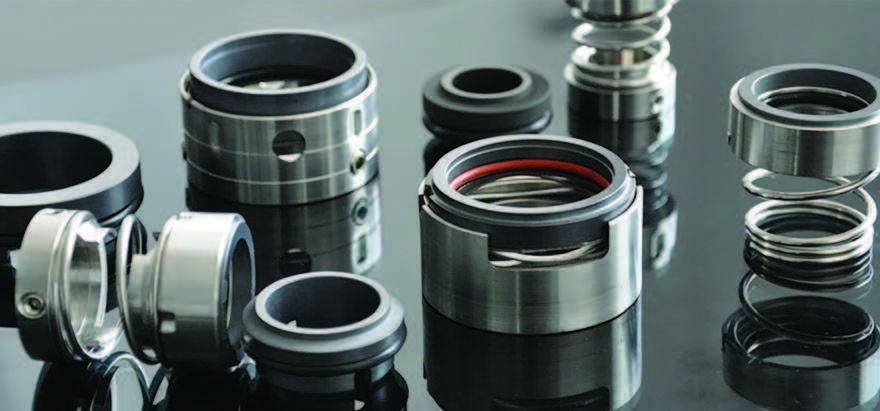
Industrial machines rely on many precision components to operate smoothly and efficiently. Among these components, mechanical seal bearings play a critical role in protecting rotating systems from leakage, contamination, and excessive friction. These components are commonly used in pumps, compressors, motors, and other heavy-duty machinery.
A mechanical seal bearing helps maintain lubrication inside the bearing system while preventing external contaminants such as dust, water, or chemicals from entering the equipment. When this system works correctly, it supports stable machine performance and reduces wear on internal parts.
However, in many industrial environments, mechanical seal bearing failures occur earlier than expected. When this happens, machines may experience leakage, overheating, vibration, and even complete mechanical breakdown. Understanding the causes of these failures helps industries reduce downtime and maintain equipment reliability.
The Role of Mechanical Seal Bearings in Machinery
A mechanical seal bearing combines sealing and bearing functions in a rotating system. Bearings allow smooth rotation between moving parts, while mechanical seals prevent fluid leakage and block contaminants from entering the system.
This dual function is especially important in industrial applications where machinery operates under high pressure, heavy loads, and extreme temperatures. Pumps, turbines, and processing equipment depend on reliable sealing and bearing performance to maintain efficiency.
When the mechanical seal bearing performs properly, it protects internal components, keeps lubrication intact, and prevents system contamination. However, when this component fails, it can quickly affect the entire machine.
Excessive Heat in Industrial Operations
One major reason for mechanical seal bearing failure is excessive heat. Industrial machines often operate continuously for long periods, generating significant heat due to friction and mechanical movement.
If heat levels rise beyond the design limits of the seal or bearing material, the sealing surfaces may begin to degrade. High temperatures can cause seal faces to warp, lubricants to break down, and bearing components to lose their strength.
Over time, this heat-related damage can cause the seal to lose its effectiveness, allowing fluids to leak or contaminants to enter the system.
Contamination from Dust and Chemicals
Industrial environments often expose machinery to harsh conditions such as dust, moisture, chemicals, and abrasive particles. These contaminants can severely affect the performance of a mechanical seal bearing.
When small particles enter the sealing surface, they can scratch or damage the seal faces. These scratches create tiny gaps where fluids may leak and contaminants can pass through.
In chemical processing industries, aggressive liquids can also degrade seal materials. If the seal material is not compatible with the fluid being handled, it may weaken or break down over time.
Contamination is one of the most common causes of mechanical seal damage in industrial systems.
Improper Load Distribution
Bearings are designed to support specific loads during operation. However, if machinery experiences uneven load distribution or excessive pressure, the bearing component of the mechanical seal bearing may wear out faster.
When loads are not evenly distributed across the bearing surfaces, certain areas experience higher stress than others. This uneven pressure can cause surface fatigue, cracks, or deformation in the bearing raceways.
Once the bearing becomes damaged, it may produce vibration and additional heat, which further weakens the mechanical seal.
Misalignment in Rotating Equipment
Misalignment is another common factor behind mechanical seal bearing failure. Rotating machinery requires precise alignment between shafts, housings, and sealing components.
If the shaft is misaligned even slightly, the seal faces may not maintain proper contact. This uneven contact can lead to increased friction, wear, and leakage.
Misalignment may occur due to installation errors, worn machine components, or structural movement in heavy equipment. Over time, these small alignment issues can significantly shorten the lifespan of the seal bearing system.
Lubrication Problems
Lubrication is essential for reducing friction and protecting bearing surfaces. In a mechanical seal bearing, lubrication ensures smooth rotation while preventing overheating.
When lubrication is insufficient, contaminated, or improperly selected, friction levels increase inside the bearing. Increased friction generates heat and accelerates wear on both the bearing and seal components.
Poor lubrication can also cause seal faces to dry out, reducing their ability to maintain a tight seal. As a result, fluid leakage and mechanical damage may occur.
Early Warning Signs of Failure
Mechanical seal bearing failures rarely occur suddenly without warning. Machines usually show several early symptoms before a major breakdown happens.
Common warning signs include:
-
Unusual vibration in equipment
-
Leakage of fluids around the seal area
-
Grinding or squealing noises
-
Rising operating temperatures
-
Reduced machine efficiency
Recognizing these warning signals early can help prevent severe damage and costly repairs.
Impact on Industrial Productivity
When a mechanical seal bearing fails, the consequences can affect the entire production process. Industrial machinery often operates as part of a larger system, so a single component failure may cause downtime across multiple operations.
In industries such as manufacturing, energy production, and chemical processing, downtime can lead to lost productivity and financial losses. Repairing damaged bearings and seals can also involve expensive parts and labor.
For this reason, understanding the causes of seal bearing failure is essential for maintaining reliable industrial operations.
Conclusion
Mechanical seal bearings are vital components in modern industrial machinery. They protect rotating systems by maintaining lubrication, preventing leakage, and blocking harmful contaminants.
However, mechanical seal bearing failures can occur due to excessive heat, contamination, misalignment, poor lubrication, and uneven mechanical loads. These factors gradually weaken the seal and bearing components, leading to mechanical problems and equipment downtime.
By understanding the common causes of failure, industries can improve equipment reliability and reduce the risk of unexpected breakdowns. Reliable mechanical components and proper operating conditions play a key role in maintaining efficient industrial systems.

 English
 Arabic
 French
 Spanish
 Portuguese
 Deutsch
 Turkish
 Dutch
Dutch
 Italiano
 Russian
 Romaian
 Greek
Greek